Braff Law Car Accident Personal Injury Lawyers
- Online case handling
- Real-time case tracking
- In the comfort of your home

You're Not Just a Case.
Meet Eleonora Zeltser
Client-First Approach
Proven Legal Excellence
Compassionate Advocacy
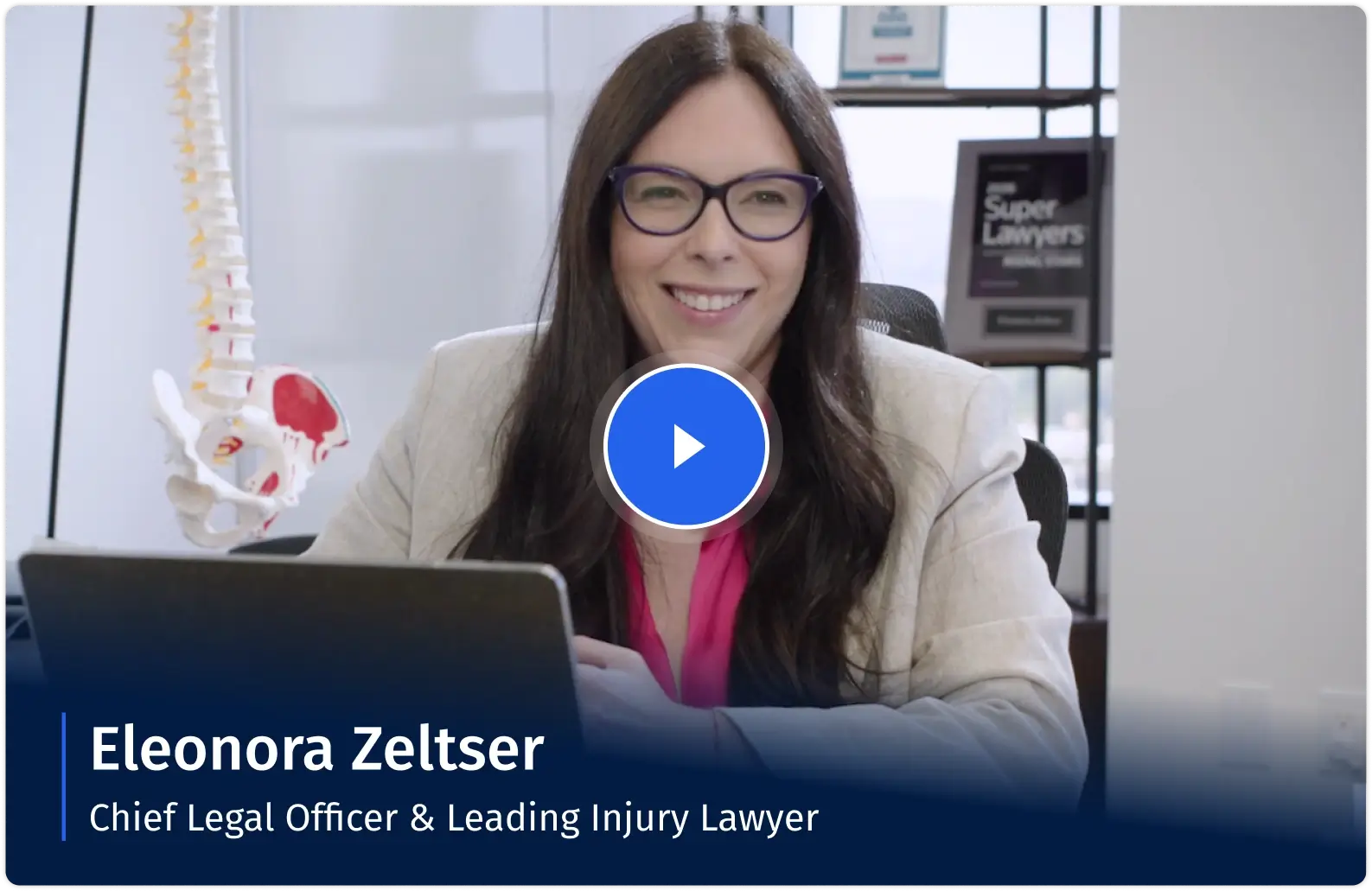

You've met Eleonora.
Now let us hear your story.

Free Injury Case Review

No Fee Unless We Win

We’re Here 24/7 for you

Simple and Fast Process
Contact us
Complete the form with the details of your accident.
Legal analysis
Our lawyers will evaluate your case free of charge.
Resolution of your claim
We handle your claim and fight until it resolves.
- Personalized attention
- 24/7 Immediate Availability
- No Win No Fee


California Personal Injury Lawyers
Have you been injured in California because of someone else’s negligence?

CLIENT TESTIMONIAL
What Our Clients Say
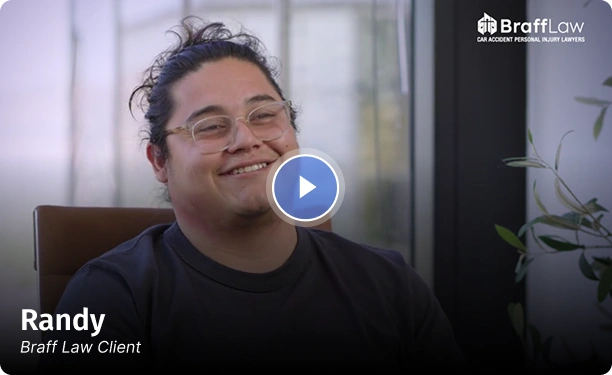
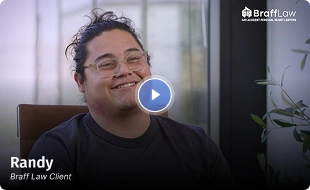
What Our Clients Say

Is there any cost for an initial consultation with Braff Law Car Accident Personal Injury Lawyers?
Personal Injury Cases Handled by Braff Law Car Accident Personal Injury Lawyers in California
Simple and Fast Process
Contact Us and Share Your Information
Connect with Our Expert Attorney
We Handle Everything

Get Your Injury Case Reviewed for FREE
Here at Braff Law Car Accident Personal Injury Lawyers, we’re committed to standing by your side, guiding you throughout the legal process and helping you obtain the justice you deserve. We’re here for you, anytime 24/7, ready to help.
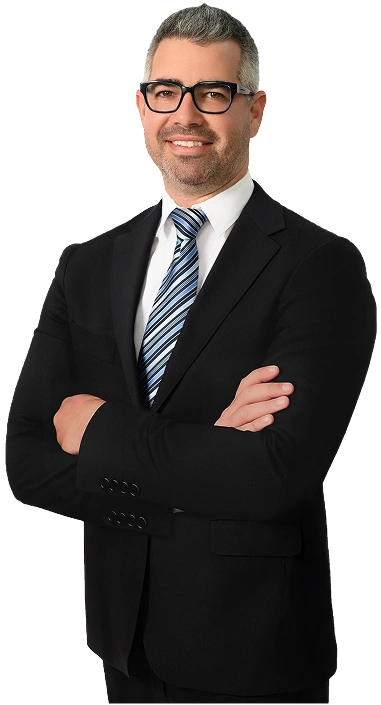
Eleonora Zeltser, Leading Injury Lawyer & CLO
Eleonora Zeltser serves as Chief Legal Officer and principal injury attorney at Braff Law Car Accident Personal Injury Lawyers. The California-based law firm has consultation offices in Los Angeles, San Diego, San Jose, Fresno, San Francisco, and over 80 more locations all throughout the state.
Ms. Zeltser has significant experience in personal injury law on both coasts of the United States. She began her legal practice in New York before establishing her personal injury law firm in Los Angeles. Her keen legal acuity stems from 5 years of successfully investigating and litigating personal injury cases on behalf of a major insurance company – this experience gave Eleonora a powerful perspective into insurance companies’ tactics to minimize their payouts. She now uses this expertise to advocate for injury victims in California, always fighting vigorously for the full compensation to which they are entitled.
Known for her tenacity and compassion, Eleonora has earned her powerful reputation as a successful California personal injury lawyer through her extensive knowledge, versatility, and steadfast commitment to achieving optimal results. She always prioritizes individual attention and clear communication with her clients, ensuring that unfortunate injury victims remain informed, confident, and get the help they need.
With a proven track record of success and abundant glowing testimonies from highly satisfied individuals, Eleonora is prepared to leverage her skills and experience to pursue the highest possible compensation for you. Don’t delay in getting the justice you deserve for your unexpected expenses – you never know when a new condition may develop and add to your suffering. Give Eleonora a call at (213) 370-2483 x. 2220 or e-mail her at ezeltser@brafflawfirm.com stating, “I was injured in an accident”.

Is the Initial Consultation with Braff Law Really Free?
How Successful Are Braff Law Car Accident Personal Injury Lawyers?
As we respect our clients’ privacy and cannot share specific case details on a public platform, we invite you to visit our Case Results and Testimonials page on our website. You will find authentic stories from our clients who have faced similar situations to yours. They have shared their experiences of working with us and how we have helped them secure the justice they deserve.
From car and motorcycle accidents to slip and fall accidents, dog bites, and pedestrian accidents, we have represented clients in a variety of California personal injury cases. We’ve helped them navigate the complexities of the legal process, offering not just legal representation but also compassionate support.
Remember each case is unique, and past results do not guarantee future outcomes. What never changes is our commitment to fight for your rights and work tirelessly to maximize your compensation. To schedule an appointment please contact us in advance at (213) 370-2483, or for more information, find us with an easy search online for “personal injury attorneys in Los Angeles”.
If you’re facing a personal injury situation in California, let’s talk. Contact Braff Law Car Accident Personal Injury Lawyers today for your free case consultation. We’re available to speak with you anytime 24/7 and ready to stand by your side and fight for you.

- Zero attorney fees until we win your case. No win, no fee.
- Available 24/7. We're here when you need us.
- 100% free consultation. Completely confidential.
Recent Settlement Outcomes in California Injury Cases
Car Accident
$1,100,000
Construction Accident
$975,000
Car Accident
$875,000
Injured Contractor
$1,000,000
Car Accident
$525,000
Car Accident on the Fwy
$750,000
- No fees unless we win your case
- Free consultation, no obligation
- We work to get you the best outcome

How Do Braff Law Car Accident Personal Injury Lawyers Approach California Personal Injury Cases?
From the moment you reach out to our expert California personal injury lawyers, we make the legal process as seamless as possible for you. Our first step is to offer you a no-obligation, free case consultation. This is an opportunity for us to understand your unique situation, explain your legal options, and discuss the potential avenues for securing the compensation you deserve.
Once you decide to proceed with us, we assign a dedicated case manager to your case, ensuring personalized service tailored to all your needs. We believe in keeping our clients informed and empowered throughout the legal process, and we are available 24/7 to answer any questions you have.
At Braff Law, we work on a contingency basis, meaning we don’t charge any lawyer fees until we win your case. Our personal injury lawyers leverage their robust negotiation and litigation capabilities, meticulously attending to every detail of your case to yield the most favorable outcomes.
Benefits of Hiring Our California Personal Injury Lawyers
Talk With Us BEFORE Making Any Statements
Following an accident, it may seem like providing a recorded statement to the opposing party’s insurance company is just part of the process. But caution is crucial here. You need to remember that insurance companies’ primary goal is to protect their bottom line, and one way they try to do this is by minimizing the payout for your claim.
In a recorded statement, the phrasing of questions can often be designed to prompt responses that can be misinterpreted or taken out of context later. Even something you say in innocence can be twisted to imply you hold some or all of the blame for the accident, which can severely impact your compensation.
It’s important to remember that you are not obligated to provide a recorded statement to the other party’s insurance company. You have the right to decline their request without any consequences.
One of the best steps to take if the opposing insurance company contacts you for a recorded statement is to refer them to your expert lawyer from Braff Law Car Accident Personal Injury Lawyers in California. Our knowledgeable personal injury lawyers are experienced with these tactics and can ensure your rights and interests are fully protected.
Braff Law Car Accident Personal Injury Lawyers
Consultation Office Locations Near Me

Let's Talk Today
Alameda
Anaheim
Antioch
Apple Valley
Arcadia
Arcadia
Bakersfield
Baldwin Park
Banning
Bellflower
Bell Gardens
Berkeley
Brentwood
Canoga Park
Cathedral City
Chino
Chula Vista
Citrus Heights
Claremont
Colton
Compton
Corona
Culver City
Davis
Delano
Diamond Bar
Downey
Dublin
El Monte
Elk Grove
Encinitas
Fontana
Fremont
Fresno
Fullerton
Gilroy
Gilroy
Hayward
Hesperia
Highland
Hollister
Huntington Beach
Huntington Park
Inglewood
Irvine
La Habra
La Puente
La Quinta
La Verne
Lancaster
Lincoln
Lomita
Lompoc
Long Beach
Los Angeles
Los Banos
Los Gatos
Manteca
Menifee
Menlo Park
Merced
Mission Viejo
Monrovia
Montclair
Montebello
Monterey Park
Moorpark
Morgan Hill
Mountain View
Norwalk
Oceanside
Oxnard
Palm Springs
Pasadena
Pleasant Hill
Porterville
Redding
Redondo Beach
Rialto
Riverside
Rocklin
Rosemead
Sacramento
Salinas
San Bernardino
San Clemente
San Diego
San Francisco
San Jose
San Leandro
San Pedro
San Ramon
Santa Ana
Santa Clara
Santa Clarita
Santa Cruz
Santa Maria
Santa Paula
Stockton
Thousand Oaks
Torrance
Tracy
Turlock
Union City
Vacaville
Vallejo
Ventura
Visalia
Watsonville
Whittier
Woodland Hills
Yorba Linda
Frequently Asked Questions
When you’ve been injured due to someone else’s negligence, it’s critical to have an experienced legal team by your side, and that’s precisely what you get with Braff Law Firm. Here are some key advantages of hiring our Los Angeles personal injury law specialists:
- Experience and Knowledge: Our attorney Eleonora Zeltser, has extensive backgrounds in personal injury law. She is well-versed in the complexities of California law and has the experience needed to negotiate and litigate effectively on your behalf
- Personalized Service: At Braff Law Firm, you’re more than just a case number. Each client is assigned a dedicated case manager, ensuring that your case is handled with the care and attention it deserves.
- Free Consultations: We believe in empowering you with information, which is why we offer a no-obligation, free case consultation to discuss your situation and your legal options.
- Contingency-Based Fees: We work on a contingency basis, meaning you won’t owe us anything until we secure a win for you. This allows you to seek quality legal representation without the worry of upfront costs.
- Track Record of Success: We’ve represented many personal injury victims and have a strong track record of success in securing favorable outcomes for our clients.
- 24/7 Accessibility: We understand that legal queries and concerns don’t follow a 9 to 5 schedule. That’s why we offer round-the-clock accessibility to your case manager.
- Multilingual Staff: We believe in breaking down barriers to justice, including language. We offer legal support in English, Spanish and Russian
In the aftermath of an injury, you need a team that can stand up for you and fight for the compensation you’re entitled to. That’s what we offer at Braff Law Firm – dedicated, experienced, and compassionate representation.
The value of your California accident injury claim can depend on several factors, making it unique to each case. Here’s a broad overview of what might impact your claim’s value:
- Severity of Injury: More severe injuries typically result in higher medical costs and potentially long-term health impacts, increasing the value of a claim.
- Medical Expenses: The total cost of medical treatment you’ve received, as well as expected future medical expenses related to your injury, are significant factors in your claim’s value.
- Loss of Earnings: If your injury has prevented you from working, whether temporarily or permanently, you can claim for these lost wages.
- Pain and Suffering: This is a less tangible aspect but no less real. If your injury has caused significant physical pain, emotional distress, or has reduced your quality of life, these factors can increase the value of your claim.
- Fault: California operates under comparative fault laws. If you were partially at fault for the accident, it could reduce the value of your claim.
It’s important to remember that every case is unique, and these are only general guidelines. To get an accurate assessment of your claim’s value, it’s best to consult with a personal injury lawyer who can review the specifics of your case. At Braff Law Firm, we offer free case consultations to help you understand your legal options and the potential value of your claim. Reach out to us today for a no-obligation chat about your case.
The timeline for settling a personal injury claim in California varies greatly as each case is unique. It often starts with seeking immediate medical attention after an accident. The duration of the medical treatment can span from weeks to several months, based on the injury’s severity.
Once a personal injury lawyer is engaged, they’ll start investigating the accident, which involves evidence collection, witness interviews, and medical record procurement. This phase may last from weeks to a few months.
Following the investigation, your lawyer will communicate with the insurance company, detailing the case and the damages sought. The negotiation phase with the insurance company can be swift, or it can extend over several months, depending on the case’s complexities.
If no settlement agreement is reached during negotiations, your lawyer might recommend filing a lawsuit. Lawsuits can significantly extend the timeline, taking months or even years, as they involve court schedules, further negotiations, and potentially a trial.
Finally, a trial, if required, may last a few days to weeks, and if the judgment is appealed, the process can lengthen further.
At Braff Law Firm, we are committed to providing transparent and effective legal representation to ease the stress of the process. Please reach out to us for a free consultation to discuss your specific case.
Determining who is at fault or liable in a personal injury case is a process that often involves a deep understanding of the laws, meticulous investigation, and the skillful application of law to the facts. We start by understanding the specifics of the case and the applicable laws, which differ based on the type of accident and the place it happened.
Our team then moves to the investigation phase. At Braff Law Firm, we work closely with forensic experts to gather comprehensive and solid evidence, such as police reports, accident scene photos, witness testimonies, and medical records. This evidence helps us paint a clear picture of what transpired and identify who was at fault.
Using this information, we apply the law to these facts, assessing if the defendant had a duty of care towards the plaintiff, if that duty was breached, and if that breach led to the injuries. California follows a ‘pure comparative negligence’ system where even if a person is partially at fault, they can still seek damages, although these would be reduced based on their percentage of fault.
In essence, our dedicated personal injury lawyers in Los Angeles work diligently to ensure that those responsible for your injuries are held accountable. Reach out to Braff Law Firm for a free consultation today.
Even if an accident appears minor, it’s still crucial to consider pursuing a personal injury claim. Here’s why:
Often, the full extent of an injury may not be immediately apparent after an accident. Symptoms can appear days, weeks, or even months later. If left untreated, these injuries can lead to chronic pain, reduced quality of life, or even permanent disability. It’s always advisable to seek medical attention following an accident, no matter how minor it may seem.
Similarly, the financial impact of an accident can extend beyond immediate medical bills. There could be future medical expenses for ongoing treatment, physical therapy, or rehabilitation. If your injury affects your ability to work, there could be a loss of income or reduced earning potential.
Additionally, the negligence or fault that caused the accident still needs to be addressed. Pursuing a claim can bring attention to the negligent behavior, possibly preventing similar accidents in the future.
At Braff Law Firm, we believe that everyone deserves quality legal representation, regardless of the size of their claim. We’re here to help you navigate through the legal process, protect your rights, and fight for the compensation you deserve. Contact us for a free consultation to discuss the specifics of your case.
The damages you can potentially receive in a personal injury case are designed to compensate you for the losses you have suffered as a result of the accident. These damages often fall into three categories:
- Economic Damages: These are the quantifiable financial losses resulting from the accident. They can include medical bills, cost of future medical care, loss of earnings, loss of future earning potential, and property damage.
- Non-Economic Damages: These damages compensate for non-monetary losses, which can be more subjective and harder to quantify. They can include pain and suffering, emotional distress, loss of enjoyment of life, and loss of companionship or consortium.
- Punitive Damages: These are not awarded in every case, but can be awarded in cases where the defendant’s conduct was especially harmful or egregious. They are intended to punish the defendant and deter similar behavior in the future.
At Braff Law Firm, our personal injury lawyers work tirelessly to ensure that our clients receive the full compensation they deserve. We understand that the impact of an accident extends beyond the immediate physical injuries, and we are here to help you navigate the legal process. Contact us today for a free consultation to discuss the potential damages in your specific case.
At Braff Law Firm, our California personal injury lawyers work tirelessly to pursue the full compensation that injury victims deserve. We understand that the impact of an accident extends beyond the immediate physical injuries, so our skilled California injury lawyers are here to help you navigate the legal process. Contact us today for a FREE initial consultation to discuss the potential money you can get for your injury claim.